Commercial Architecture & Design Process
Based in the Greater Boston area, Tact & Grit serves as a creative and technical partner in developing your brand through architecture and design. Understanding your products, services, and operational flow is key to creating not only a beautiful environment, but a functional one for both your employees and your customers.
The Architecture of the Everyday
Your business is more than an investment in a commercial venture. It is the place that fosters community and supports the daily rhythms that define our lives. Whether it is the athletic facilities where we train, the coffee shops where we start our mornings, or the retail stores where we discover the things that enrich our days, these spaces are built through your vision and commitment. We collaborate with and advocate for you throughout the process, providing the creative sensibility and logistical understanding required to navigate the complexities of your project from initial sketch through construction.
Our four-part framework for developing intentional design with technical rigor.
The success of a commercial project relies on the flexibility to problem solve and the willingness to work as a team. Your business isn’t one-size-fits-all, so we don’t treat it that way. We recognize that each building and site have their own variables that require a customized level of care. The adaptability of our workflow allows us to respond to your unique goals without compromising on precision.
Existing Conditions
Survey & Analysis
Creating something new begins by first understanding the existing building and the parameters that will shape any future work. We partner with building surveyors, land surveyors and engineers to prepare the tools and analysis needed to support informed decision making during design.
-
The building is captured and modeled in three-dimensions, providing us with a level of accuracy and a foundation that supports an integrated design process. This digital twin of the building’s visible surfaces and structure allows for clear documentation and coordination with engineers and contractors.
-
This documentation is tailored to the project’s scope and the specific requirements of the local zoning code. Mapping site features like property boundaries, utilities, topography, drainage, and parking are often required for both design compliance of new work and construction tasks.
-
Accessibility and overall conformance to the building code are the two primary areas we review when improving existing buildings. Often, changes to a building's program require specific upgrades to ensure the space meets modern safety and accessibility standards.
Digital Twin:
Capturing the Existing Building
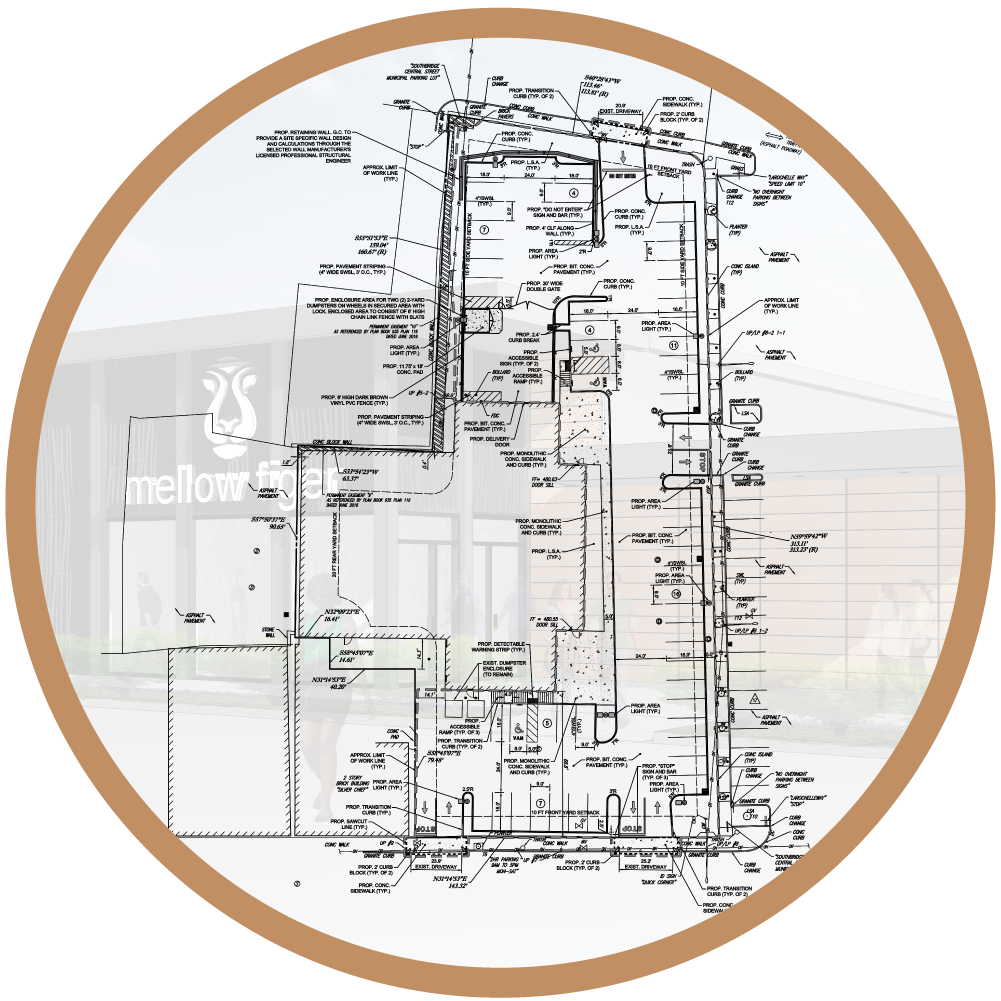
Site Context:
Documenting the Extents and Features
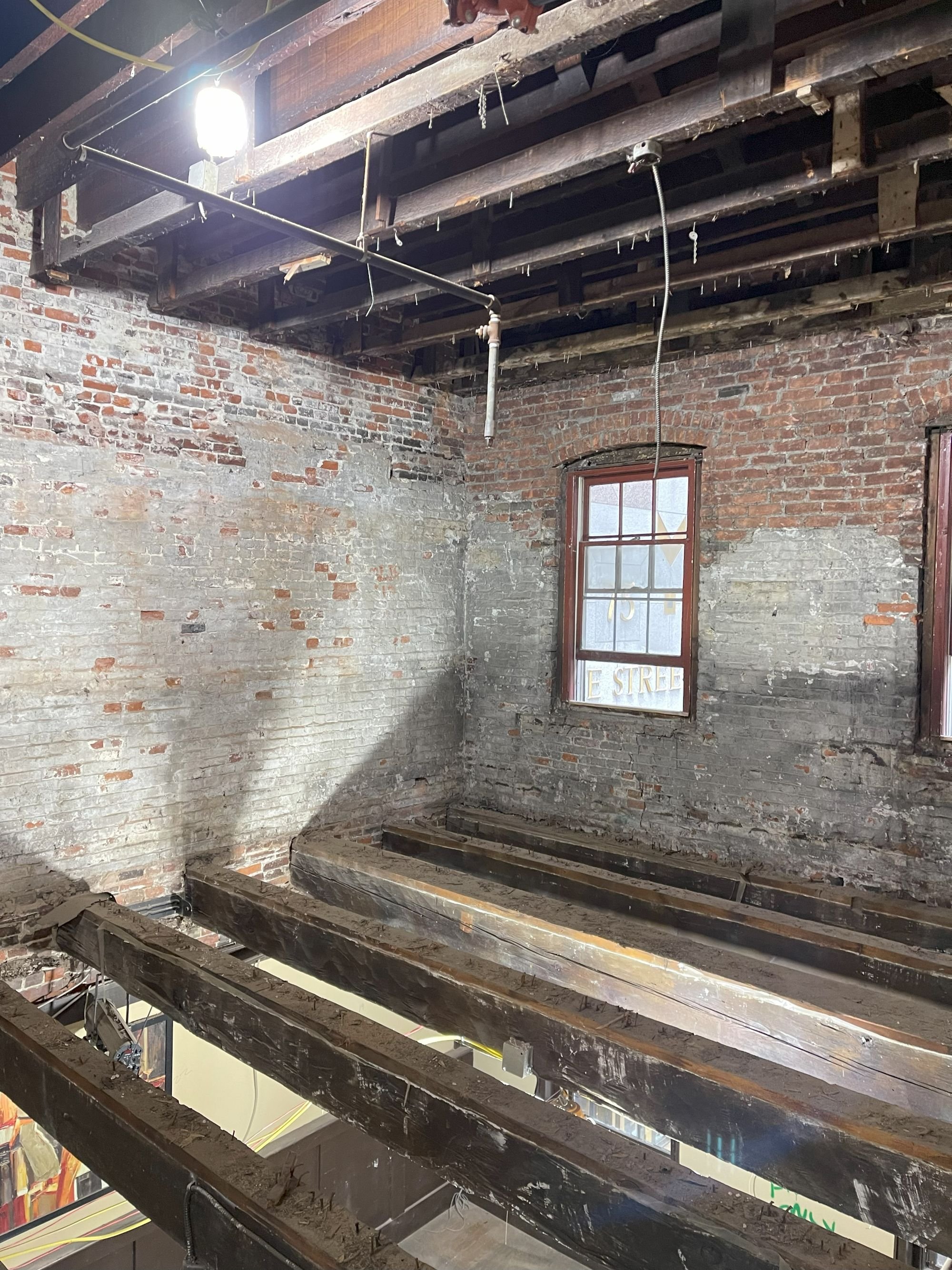
Budgeting Breakdown
When renovating or expanding upon an existing building, we can think of your investment as being allocated into three primary categories:
Accessibility and Compliance Upgrades | Infrastructure and Site Improvements | Business Aesthetics & Functionality
Schematic Design & Brand Vision
What are the defining attributes that make your business unique? Often, our businesses are a direct reflection of our interests and the gaps we identify in the markets around us. This phase is about creating the spatial infrastructure that translates purpose into a high-functioning physical environment.
-
Mapping staff and customer paths to optimize daily efficiency and operational flow. Determining the relationship of program elements and their proportions is essential to developing a design that depicts enough information to begin coordination with engineering and construction partners early on.
-
Through collaborative discovery, we define the environment you are curating for your brand. We provide a vision board as a foundation for our conversations surrounding materiality and aesthetic intent. This process translates your brand’s story into a physical environment through every form and finish.
-
Our process prioritizes design integrity and precision by integrating construction expertise early in the planning stages. We initiate conversations with contractors as soon as there is enough information to have meaningful dialogue regarding constructability. Your time and money is valuable, so we leverage these early insights to support effective decision-making as the project development continues.
Spatial Logic:
Mapping the Operational Flow
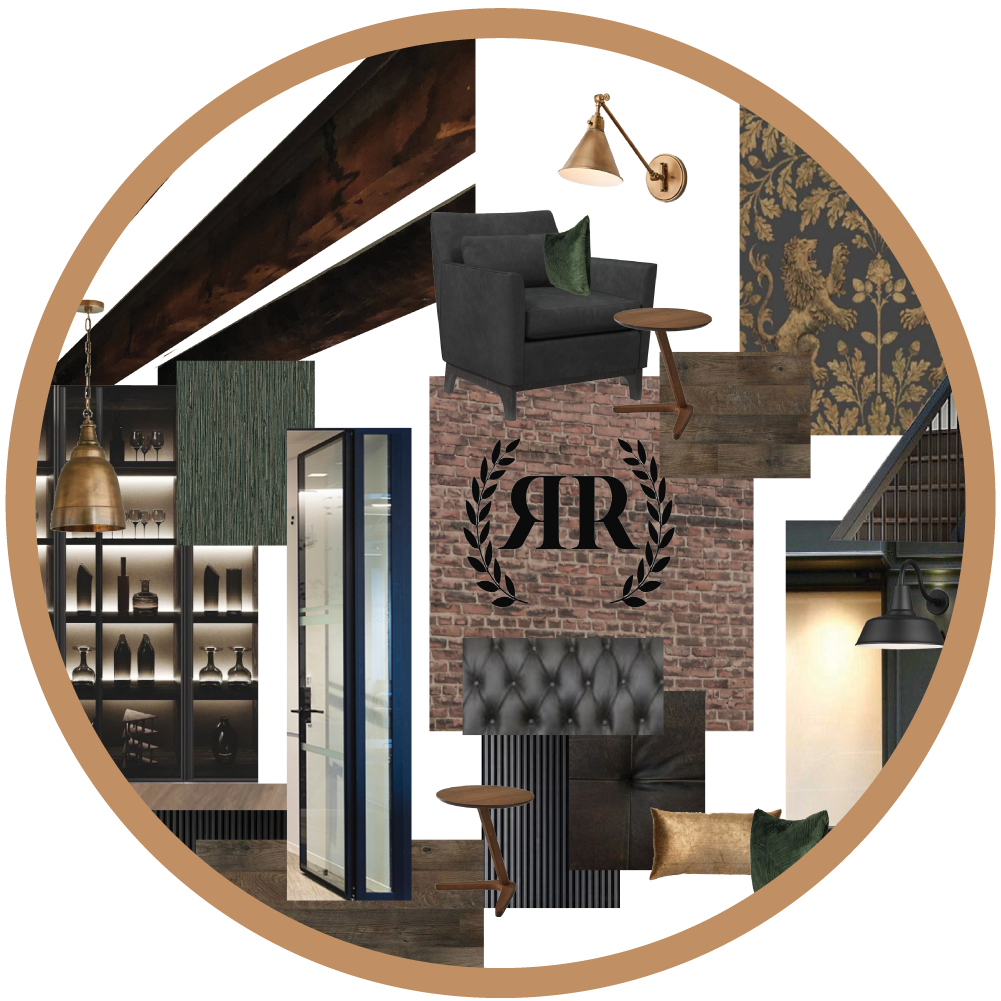
Brand Story Telling:
Curating the Visual Experience
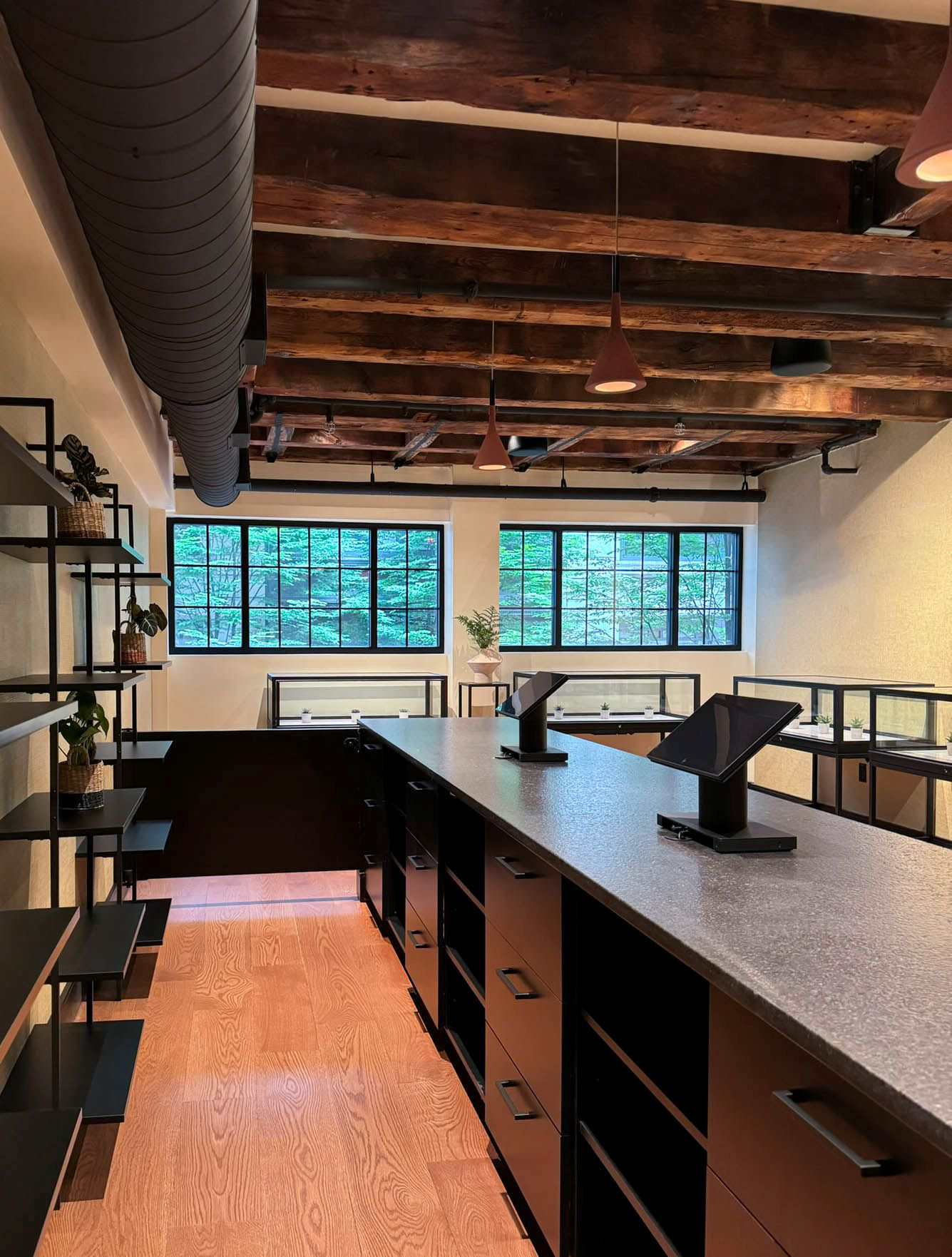
Phasing Strategy
For businesses that need to remain open during a renovation, construction phasing is a strategic tool used to balance project goals with daily operations. Asking specific questions can help determine the feasibility of phasing, allowing your project to be designed and documented accordingly while giving owners the ability to manage logistics early.
-
How isolated are the areas of work from one another? In what ways can we design the layout to effectively isolate construction zones and support a cleaner phasing strategy?
-
If there is overlap between phases, how can the design be detailed to minimize the amount of work that needs to be reworked as the project moves forward?
-
Do these spaces share building systems like HVAC or electrical? How can we coordinate with engineering to plan the systems so they can be independently managed or bypassed during construction?
-
What are the potential design trade-offs of a phased build? How can we unify the design so the finished product feels like a single, cohesive environment despite being built in stages?
Design Development & Construction Documents
-
We transition from big-picture concepts in schematic design to a more granular analysis of each design decision. This process is about translating abstract ideas into the tangible by selecting the specific materials, finishes, and fixtures that define the feel and function of every space. We evaluate every selection for its visual and tactile qualities and its ability to perform over time, allowing the final aesthetic to remain rooted in durability and practical reality.
-
Architecture serves as the framework for complex systems. We coordinate the integration of structural, mechanical, electrical, and plumbing engineering to preserve the design integrity of the project. Leading this effort early allows us to resolve technical conflicts on paper—minimizing systems from encroaching on the intended aesthetic or functional layout—and supports a more efficient process in the field.
-
The design is developed into a comprehensive set of construction documents. These drawings and specifications depict the design intent, providing the necessary detail for contractors to price and execute the scope of work. This process formalizes the project requirements and serves as the primary reference for quality throughout the construction phase.
Turning a big-picture concept into a clear set of construction documents requires a shift from vision to technical reality. We refine the approved design into a comprehensive drawing set that aligns your goals with the practical requirements of the site.
HVAC Design:
Coordinating with Engineering Partners
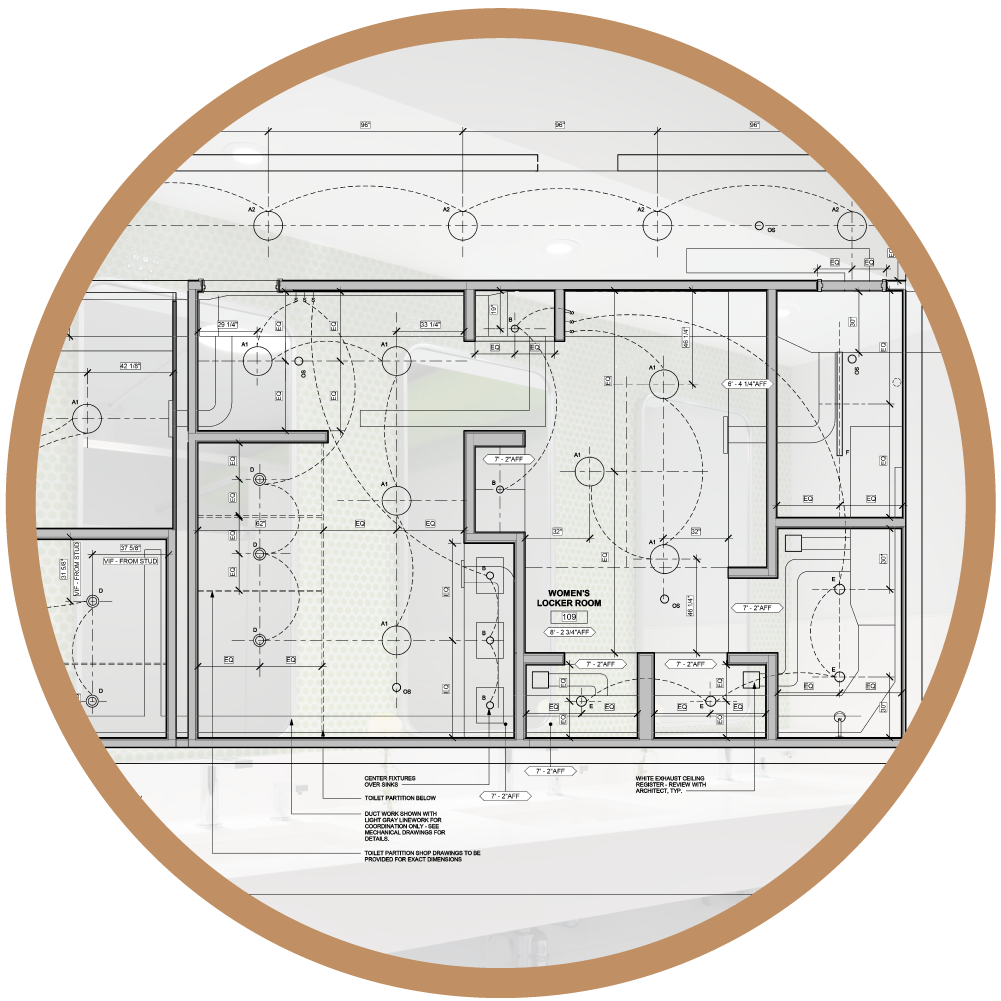
Lighting Design:
Detailed Drawing Assembly
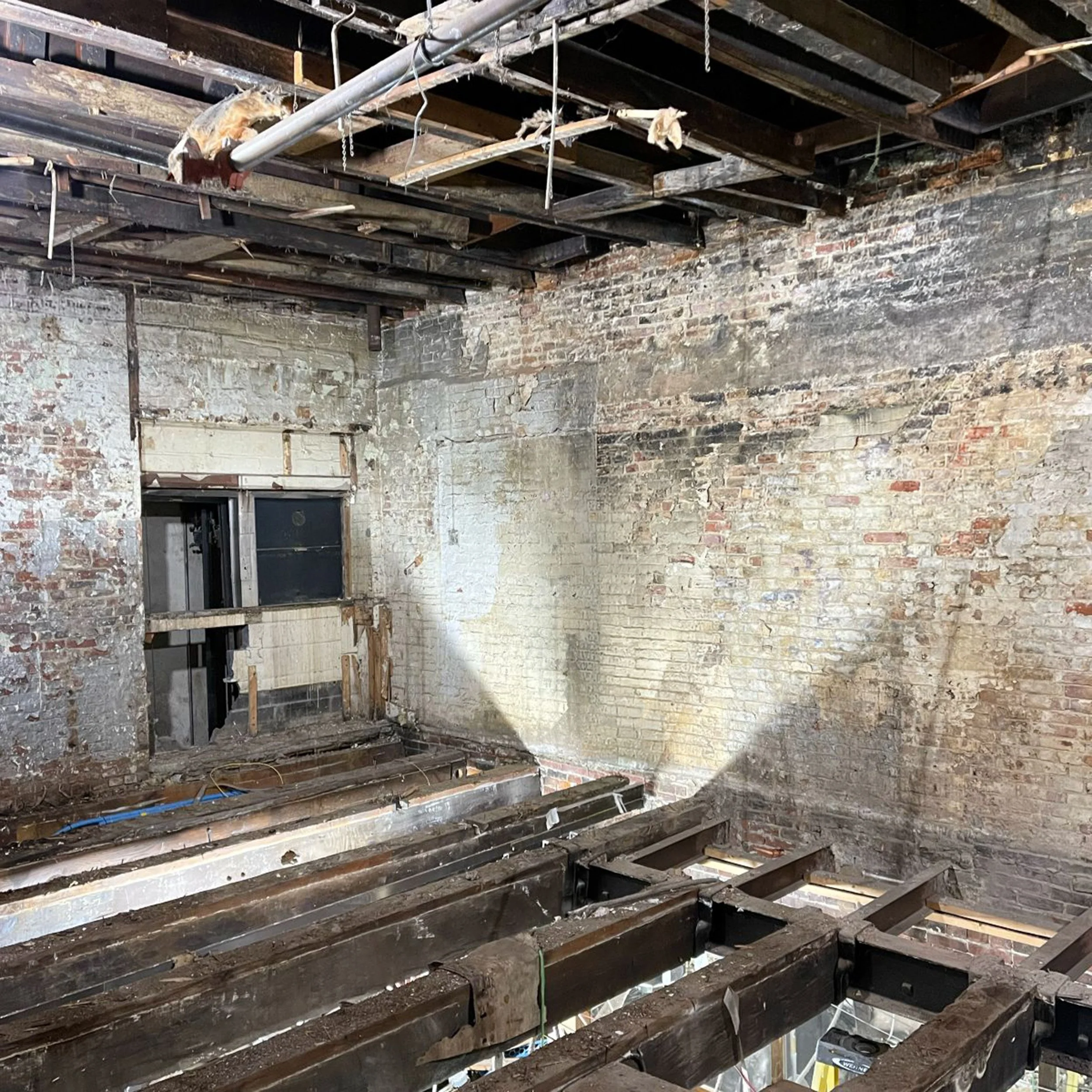
Design Build Considerations
During design development, collaborating with a prospective contractor offers an opportunity to identify efficiencies and address project unknowns earlier on. These constructability conversations allow us to strategically structure our documentation to fit the project’s needs.
For example, this collaboration might result in the preparation of a demolition-only permit set, allowing site work and exploration to begin while the full project details are being finalized. The integration of this feedback during the design process supports a well-defined and documented project that is positioned for a more efficient build.
Construction Advocacy
How do we move from two-dimensional drawings to three-dimensional space while preserving the design intent as it meets the field realities and budgetary constraints of the project? As your advocate, we maintain a presence throughout the build, serving as a bridge between the owner and the construction team.
-
We perform regular site visits to observe construction progress and become generally familiar with the quality of the work. This involves reviewing submittals, answering Requests for Information (RFIs), and providing the technical clarifications necessary to keep the project moving forward without compromising design intent.
-
We act as your project point-of-contact, managing the correspondence and complexities of the construction process so you don't have to. From reviewing contractor requisitions for payment to coordinating final punch lists, we stay engaged throughout construction to support the project's goals and keep your interests represented.
-
Construction often reveals unforeseen site conditions that require collaborative solutions among architecture and the trades. We work with the build team to resolve these field conflicts, providing sketches and design adjustments that preserve the project's integrity while respecting the realities of the site and schedule.
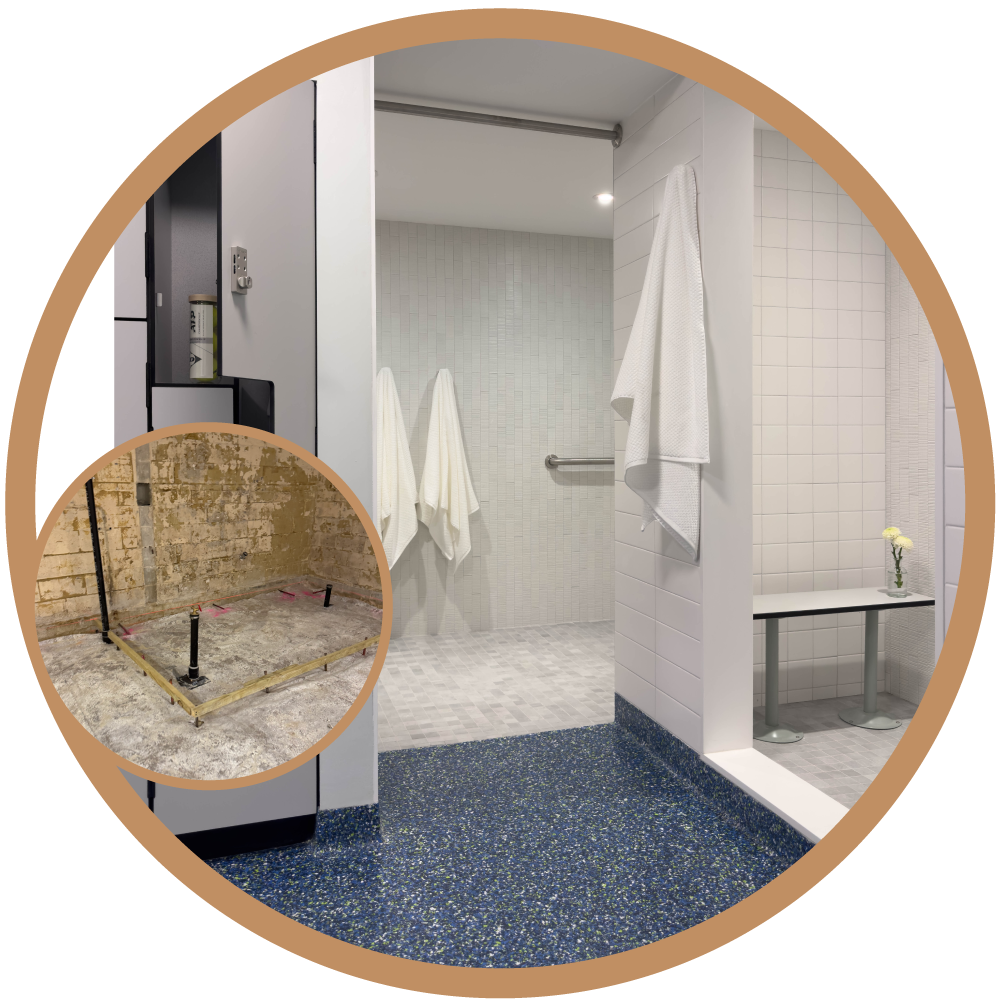
Critical Accessibility Details:
Field Review and Preparation
Construction Site Visit:
Contractor Coordination
You are the expert in your business and we are the expert in ours. By combining our specialized skill sets, we can translate your operational needs into a high-performance environment.
Let’s get to work.
A Note from Olivia: Every project is different. The information shared here reflects my general approach and is meant to give you a sense of what to anticipate. Your individual project scope of work will determine how we move through each phase together. This is not a substitute for the professional guidance of the licensed professionals on your specific project, each of whom may bring a different approach to the work.