

Second Story Addition
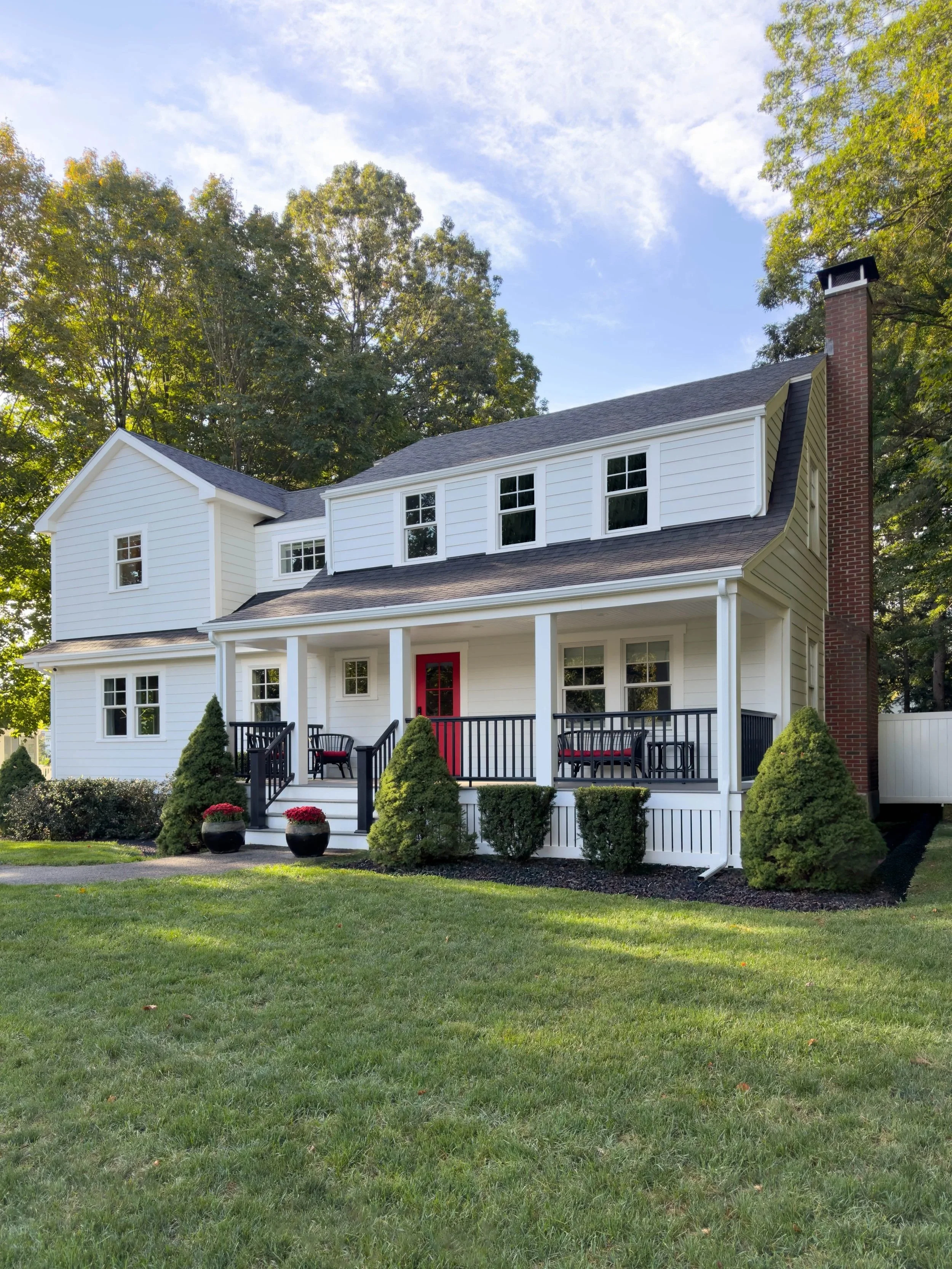
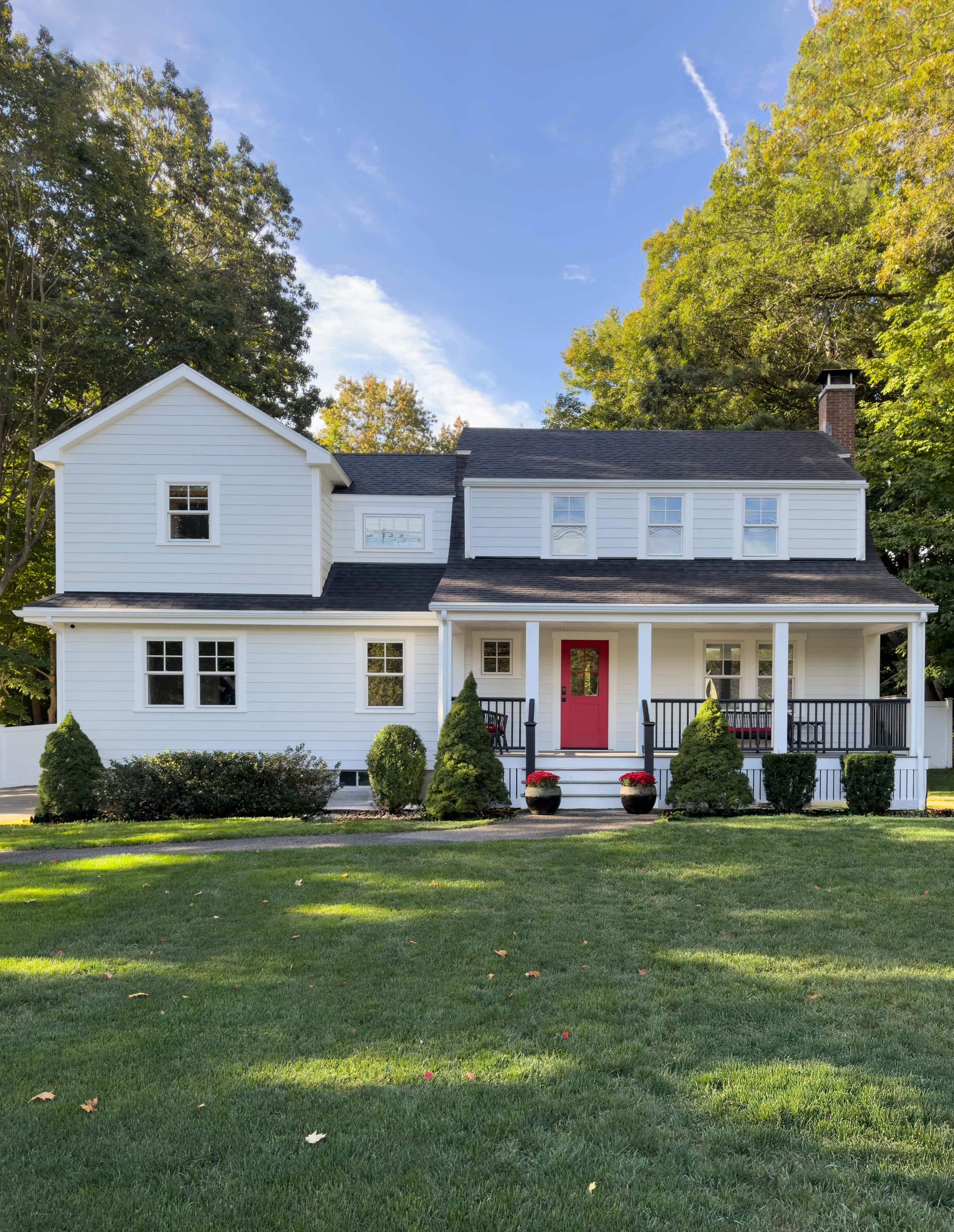
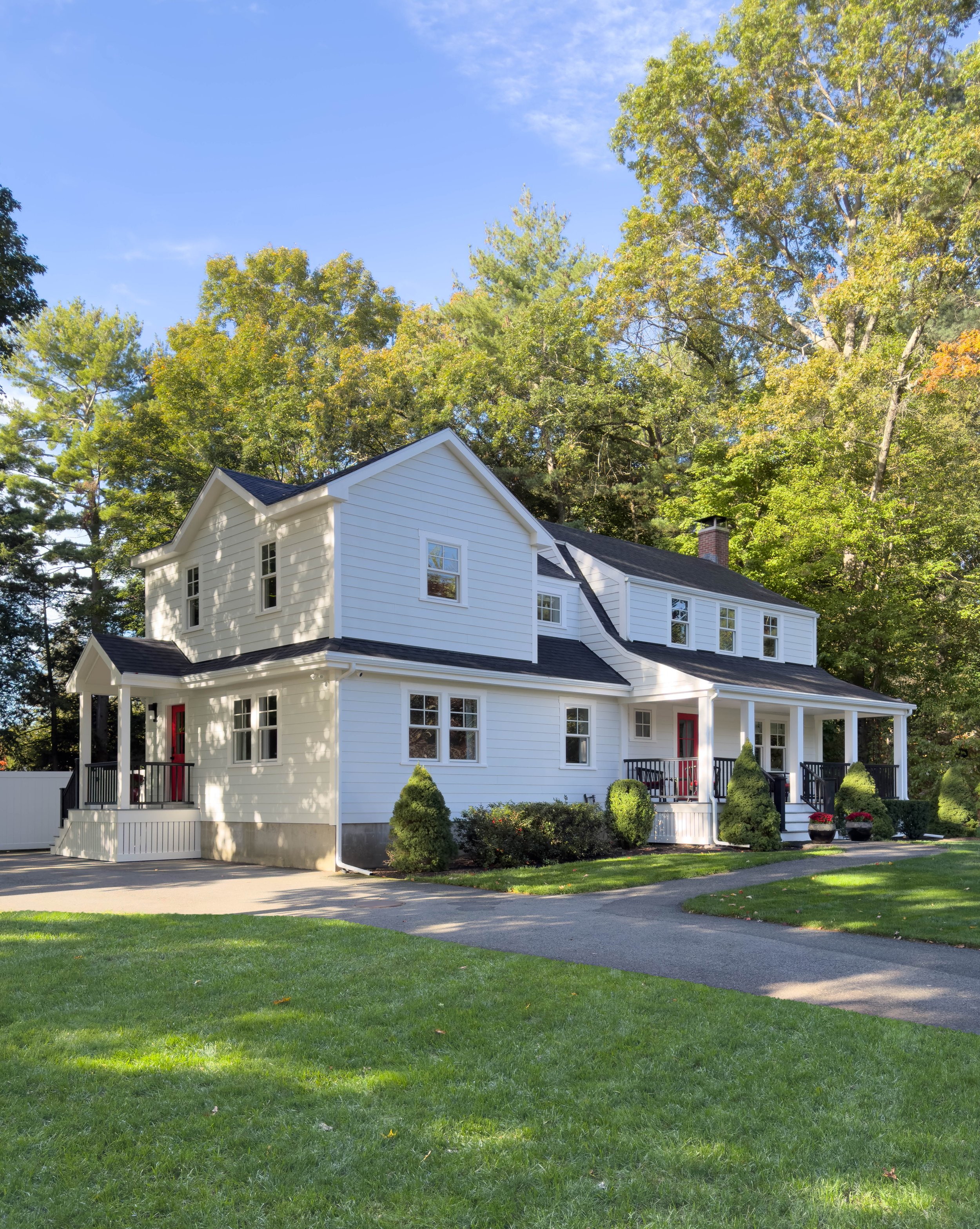
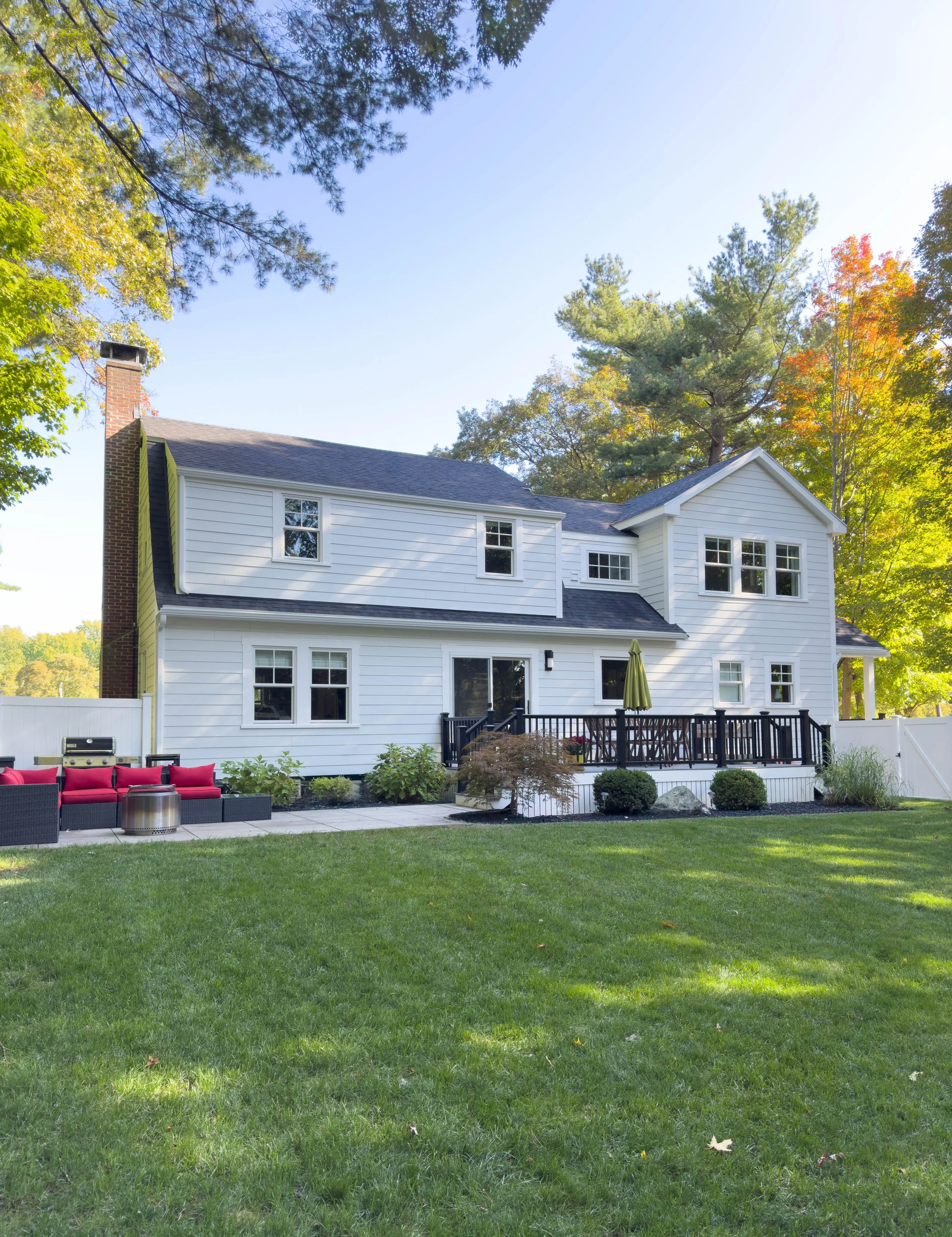
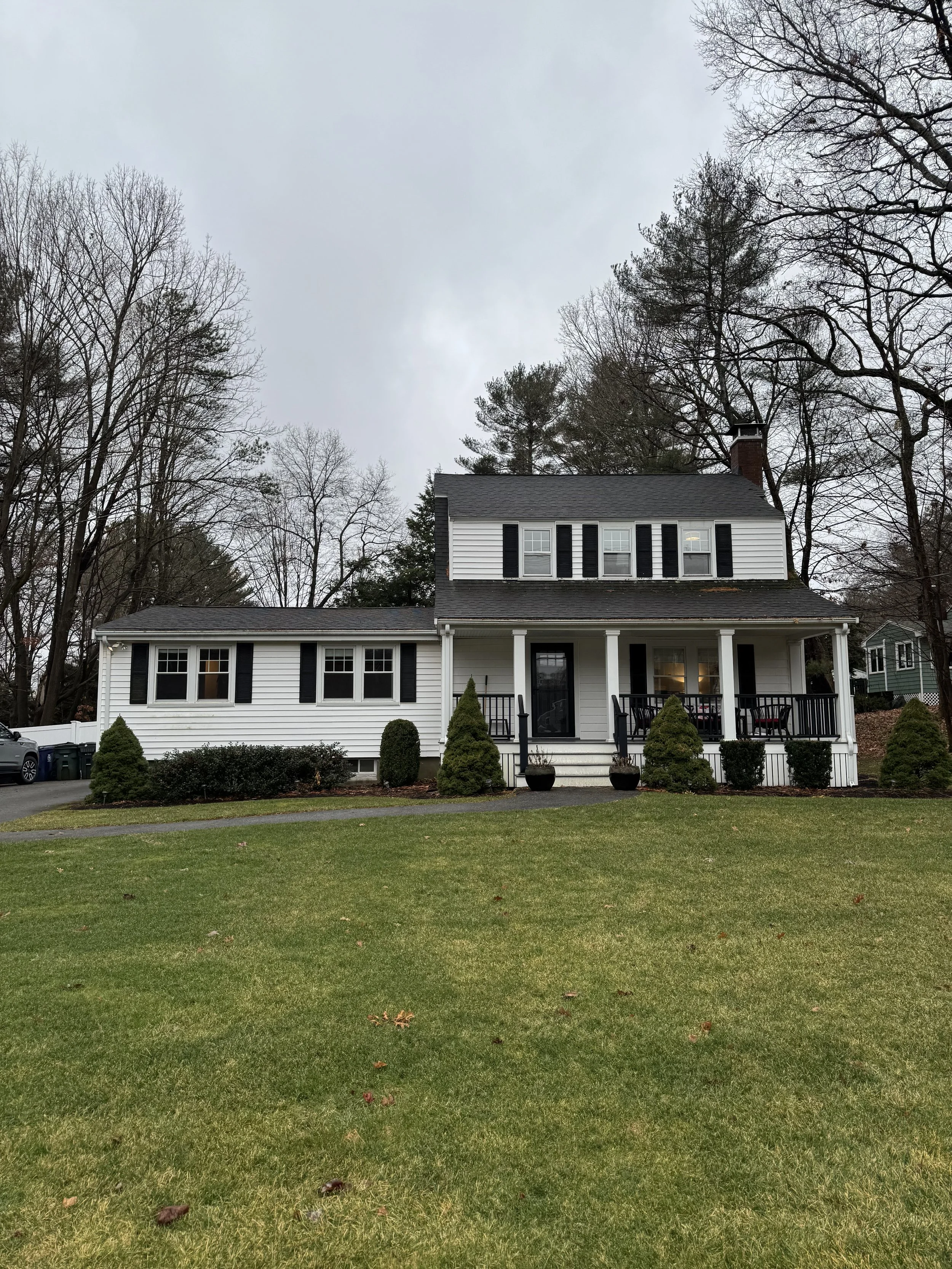
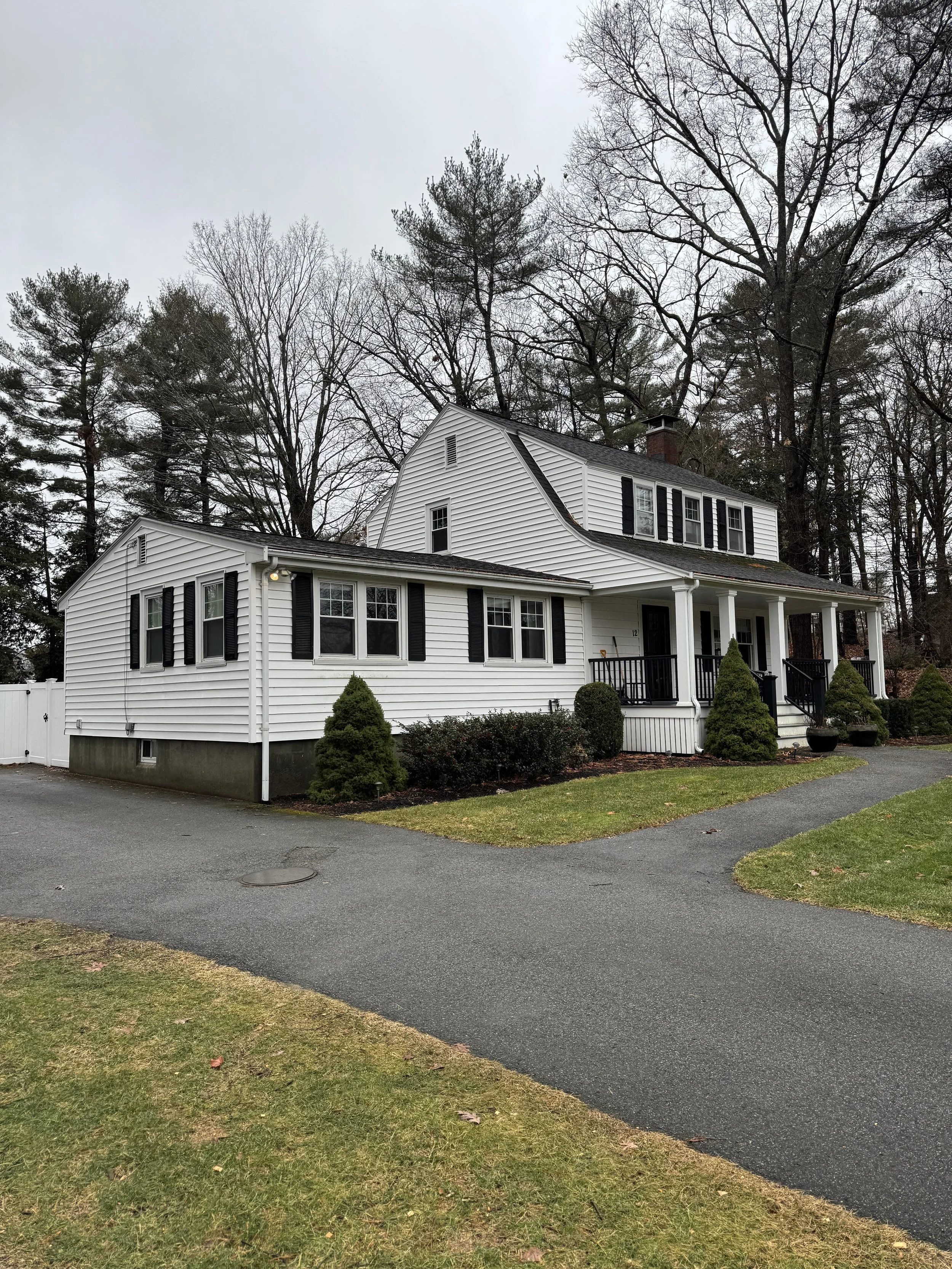
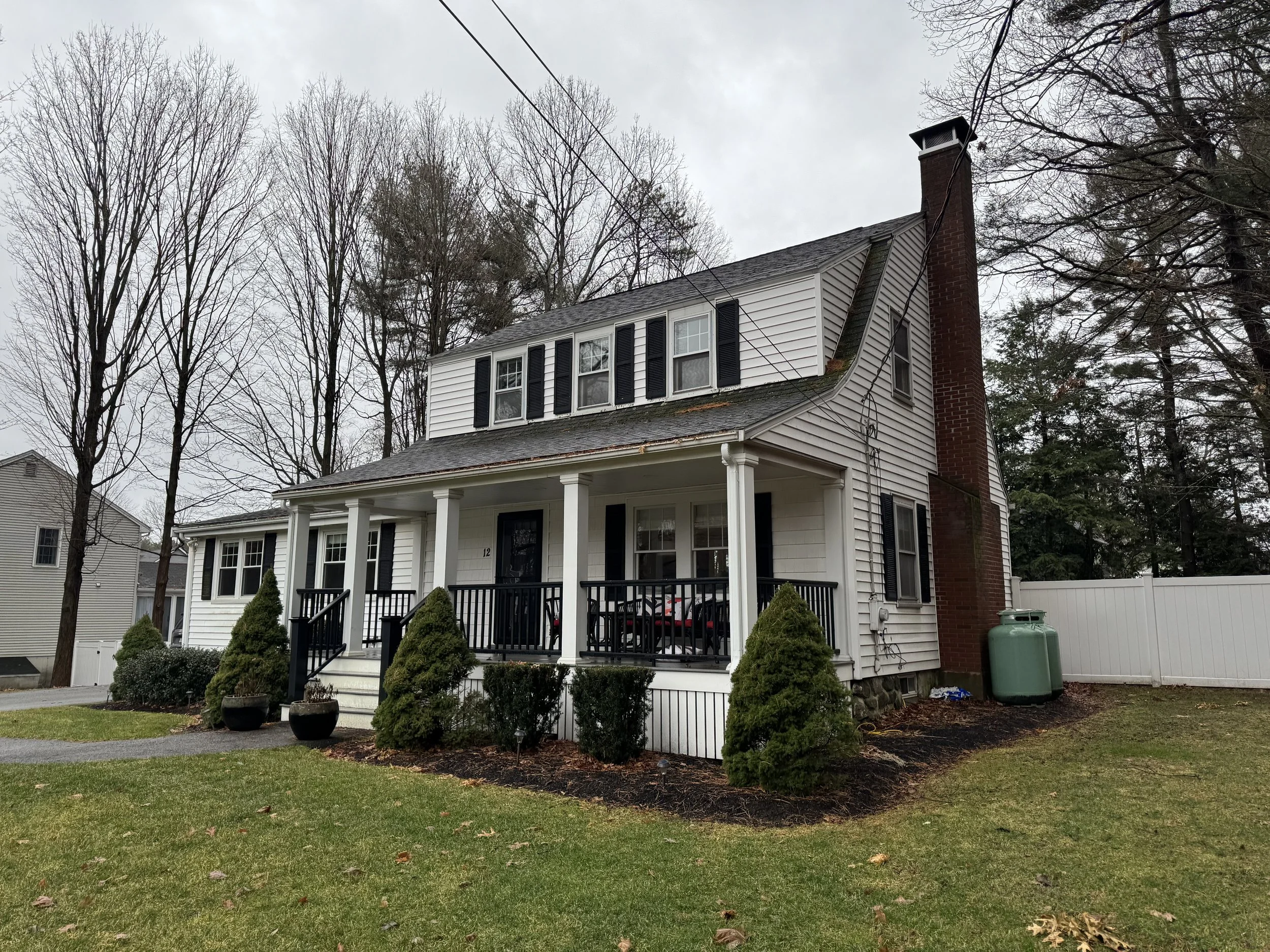
This two-story home was built in the early 1900s with a one-story addition later added in the 90’s. Utilizing the existing foundation, the single story was rebuilt and reconfigured to accommodate the needs of the added primary suite and laundry area above.
Where Did We Begin
How Did We Achieve the Project Goals?
-
Adding square footage to an old home requires creativity and a conscientious design eye. Home owners are typically motivated to start projects because the interior spaces aren’t working for them any longer. But in the process of addressing those needs, we must also remain sensitive to the impacts of our improvements on the existing envelope.
Dutch colonial homes like this one have gambrel style roof lines with two different slopes. This not only impacts potential geometries for the new enclosure, it can also limit interior head height in the new adjoining spaces. Studying these special conditions will inform design decisions and make for a cohesive final design that complements the existing architecture, not competes with it.
-
Relocating the primary suite to the second level created an opportunity to reimagine the first floor. Intended to be a multi-purpose living space with a lounge area, baby grand piano and reading nook, the new music room provides an additional cozy gathering place within this home.
With a long driveway adjacent to this side of the house, it seemed natural to integrate a side porch that would allow for direct access into a new mudroom and reconfigured powder room.
-
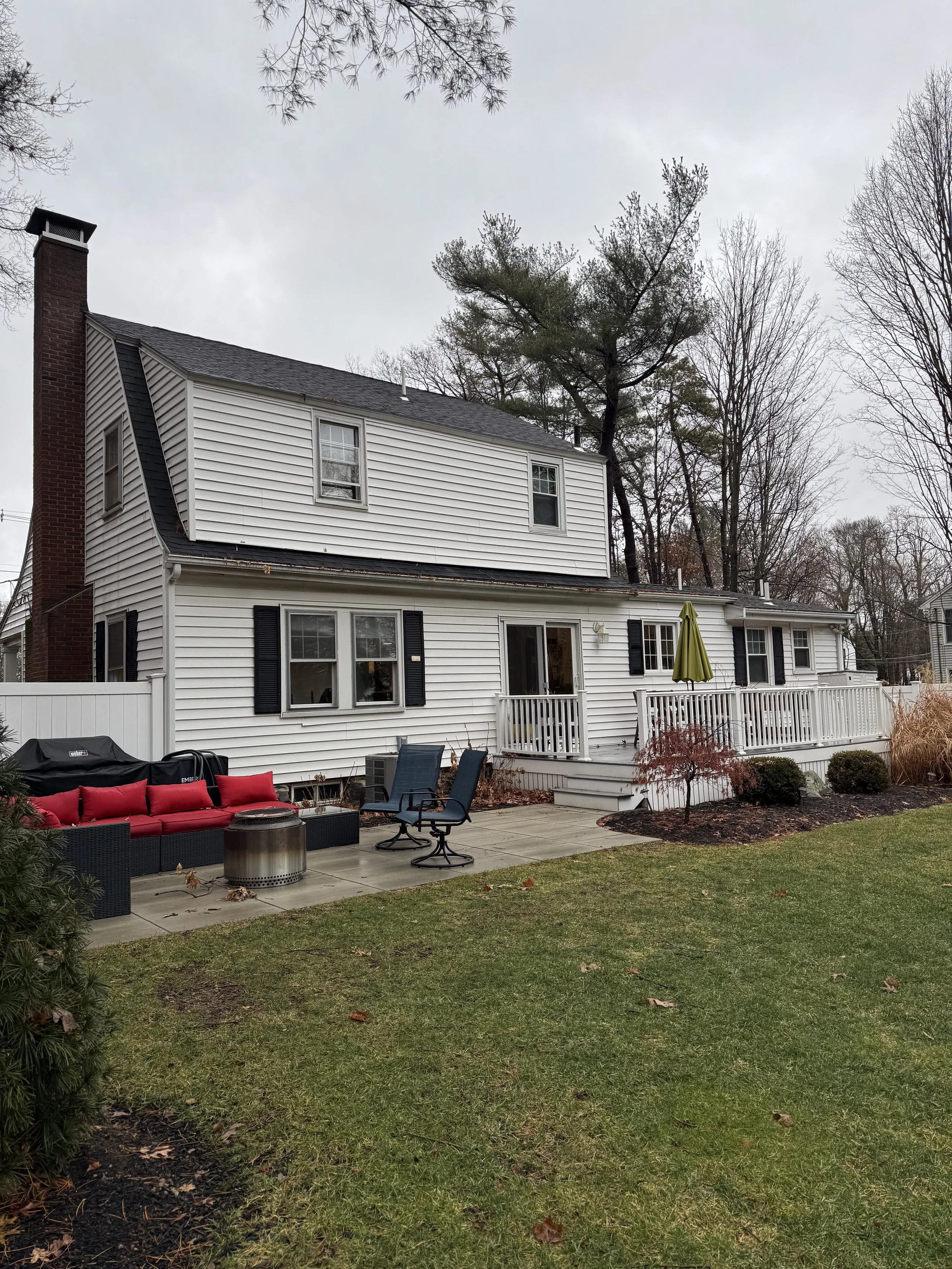
The existing primary suite was positioned on the ground level of this home with windows facing north and east. Our goal for the relocation of these spaces to the second level was to capture southern light and views over the back yard while maintaining what the home owner’s were already accustomed to in the rooms below.
When designing the architectural envelope, intended furniture layouts and interior use of space needs to be considered in initial design conversations. Both the interior and exterior are intended to inform one another. By considering furniture placement and size, we were able to determine window sizes and arrangements that would meet the goal of maximizing light without compromising functional use of the space.
-
It’s not all glamorous, but it is all necessary work in the world of architectural design. Coordinating building systems like HVAC in the early stages of design can be critical to the successful execution of design elements. All spaces in the added second story were intended to have vaulted ceilings - a great architectural feature and a very tricky choice when it comes to integrating building systems.
No, the answer was not to add mini splits. Having a bulky unit on the wall and refrigerant lines running down the side of the house was not in the plan. We worked with the structural engineer to size the joists to run in the long direction. This would allow the ductwork to travel down from the attic and traverse through the joist bays and up into each room via floor grilles.
A complex puzzle, yes. A bit of added cost for the structural system, yes. Worth it to maintain integration with the house’s heating and cooling systems while avoiding mini splits, absolutely.
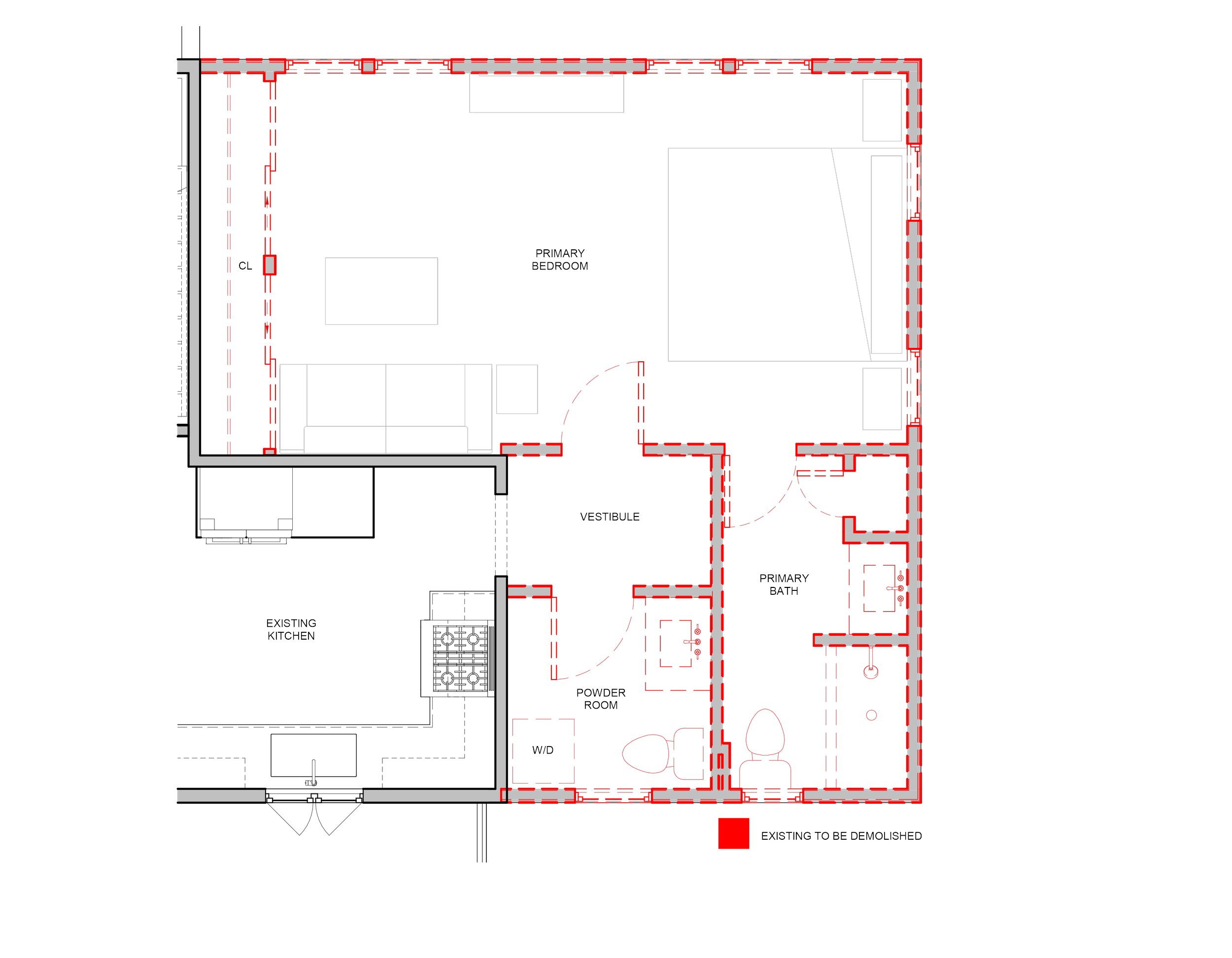
Level 1 - Existing
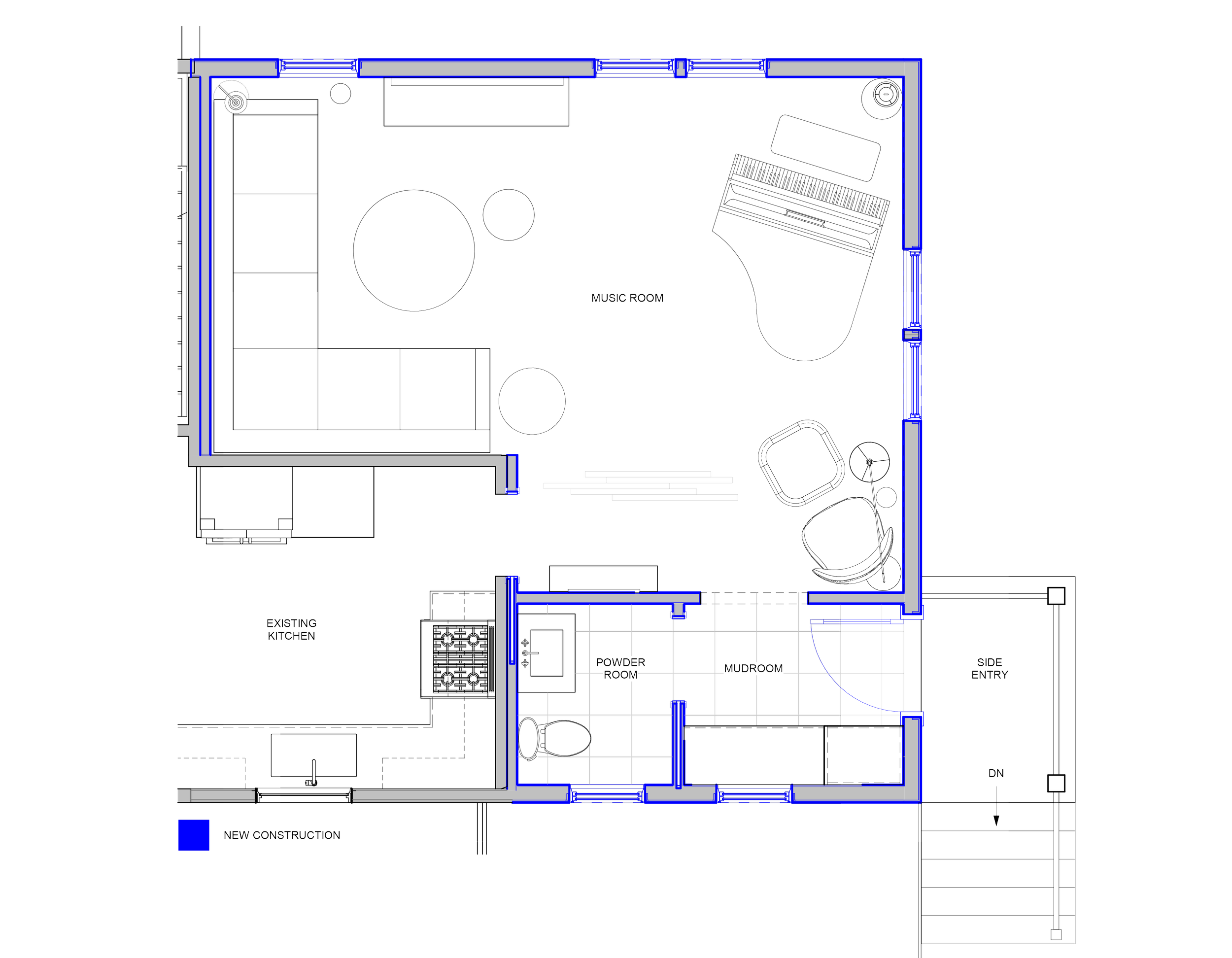
Level 1 - New Construction
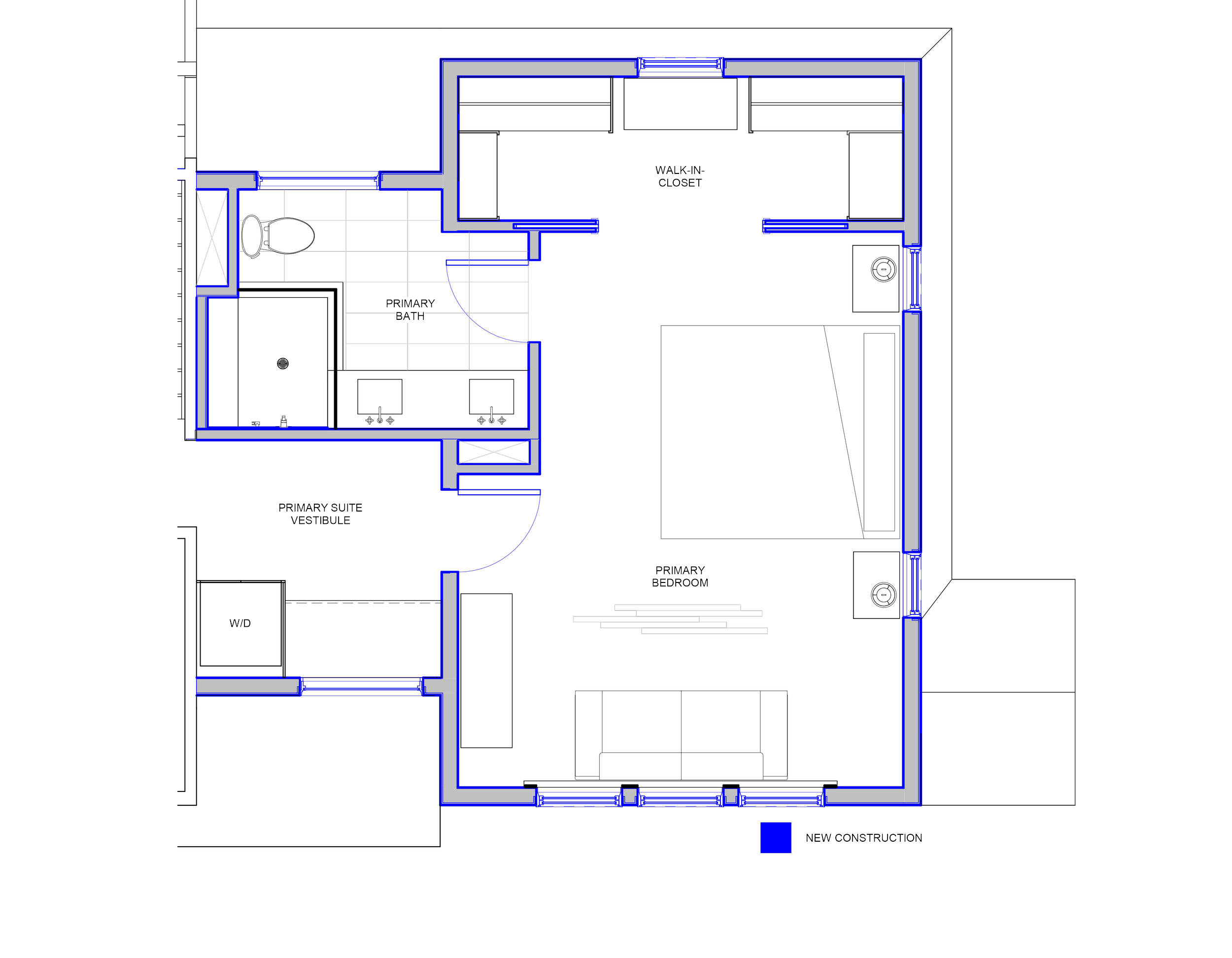
Level 2 - New Construction
Phases of Construction
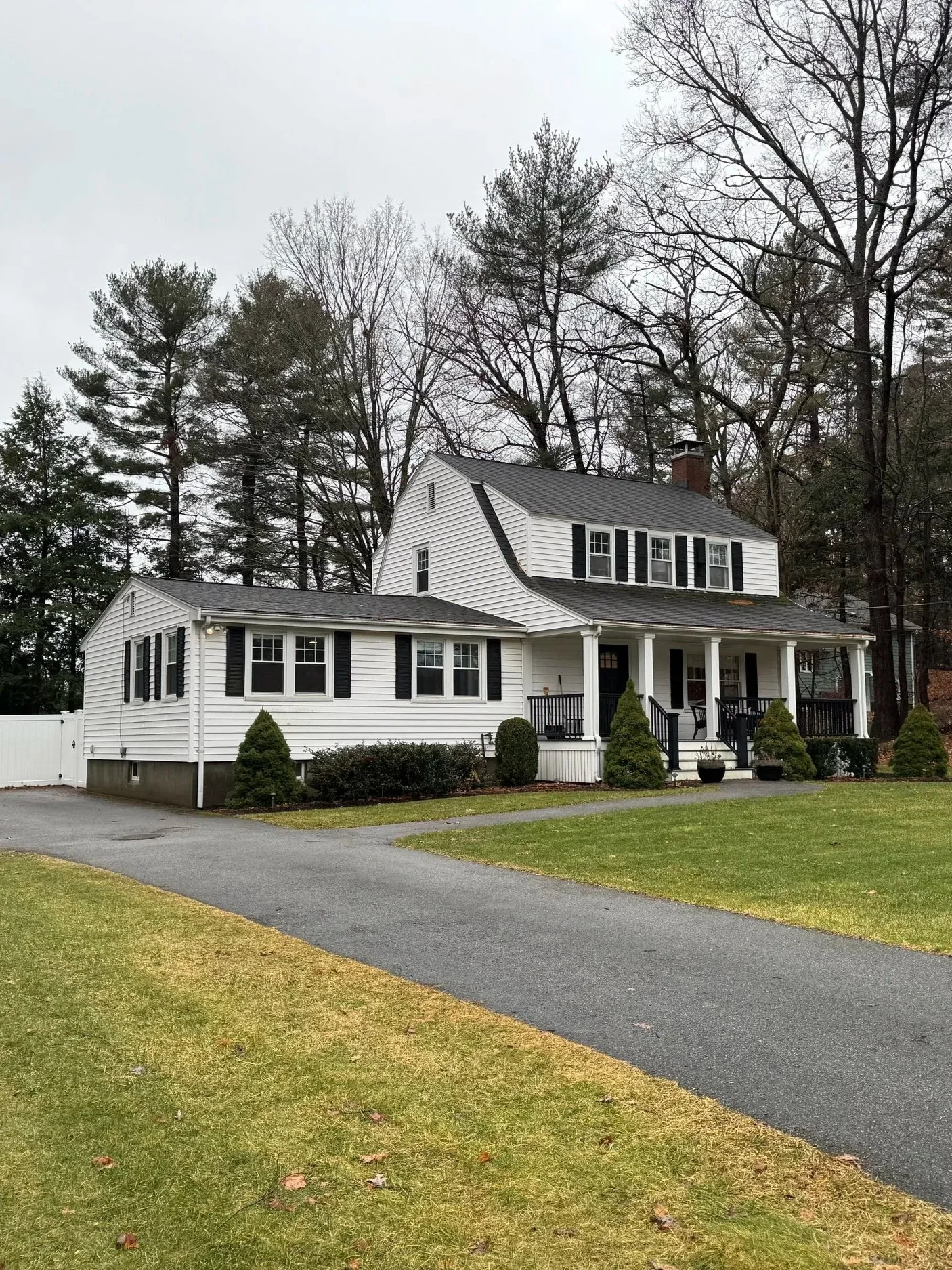
Existing Conditions
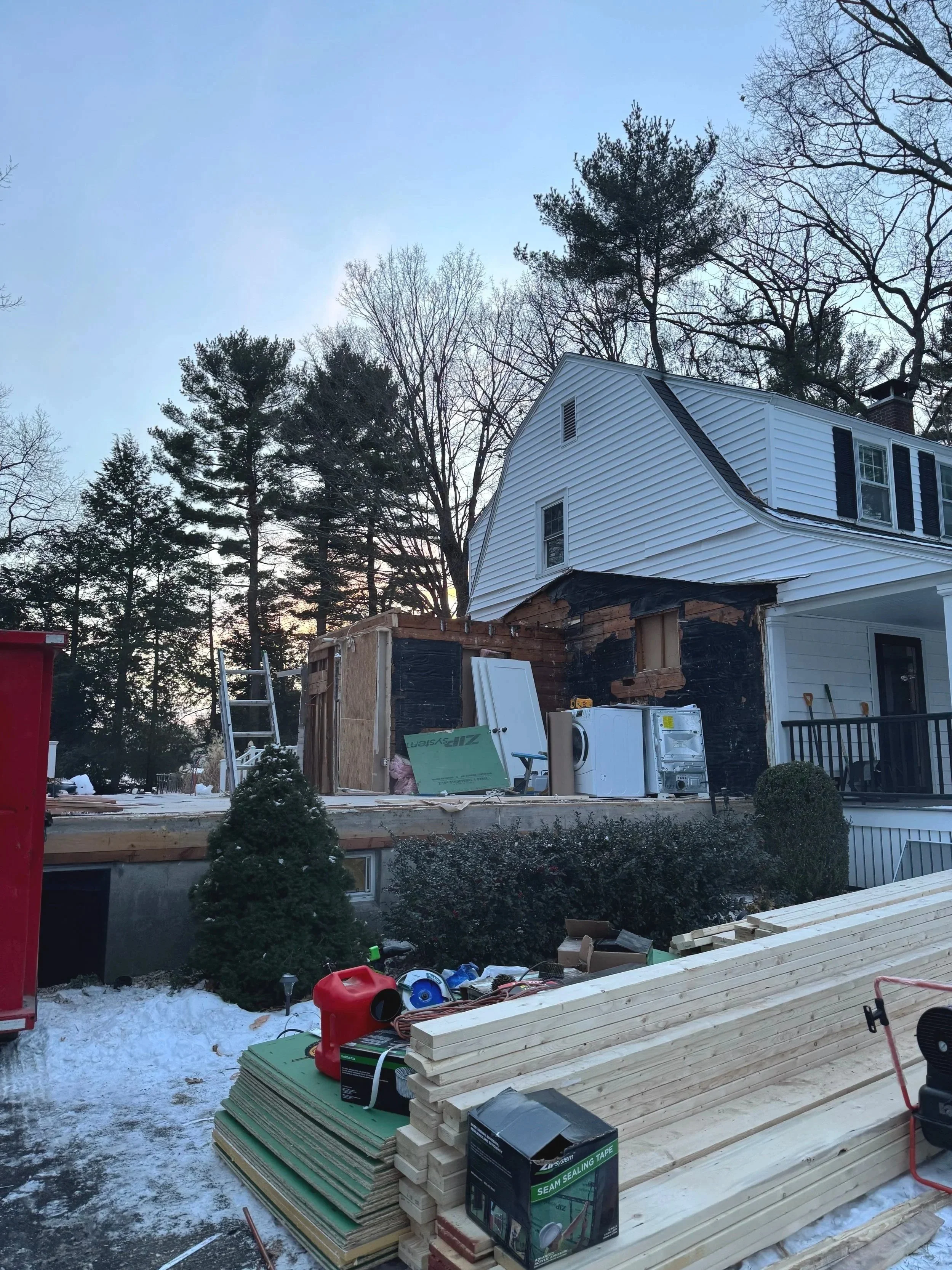
Demolition
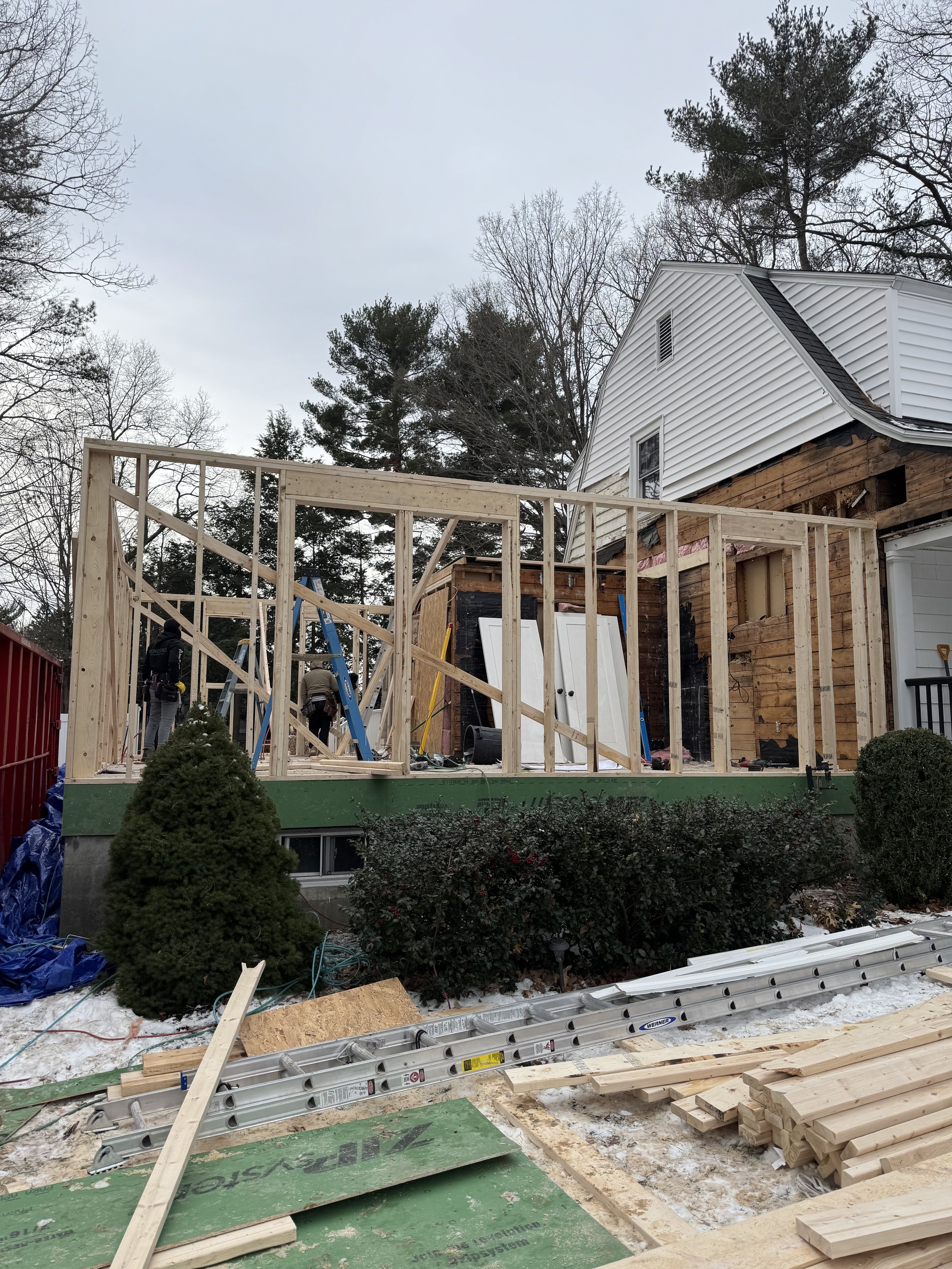
Ground Level Framing
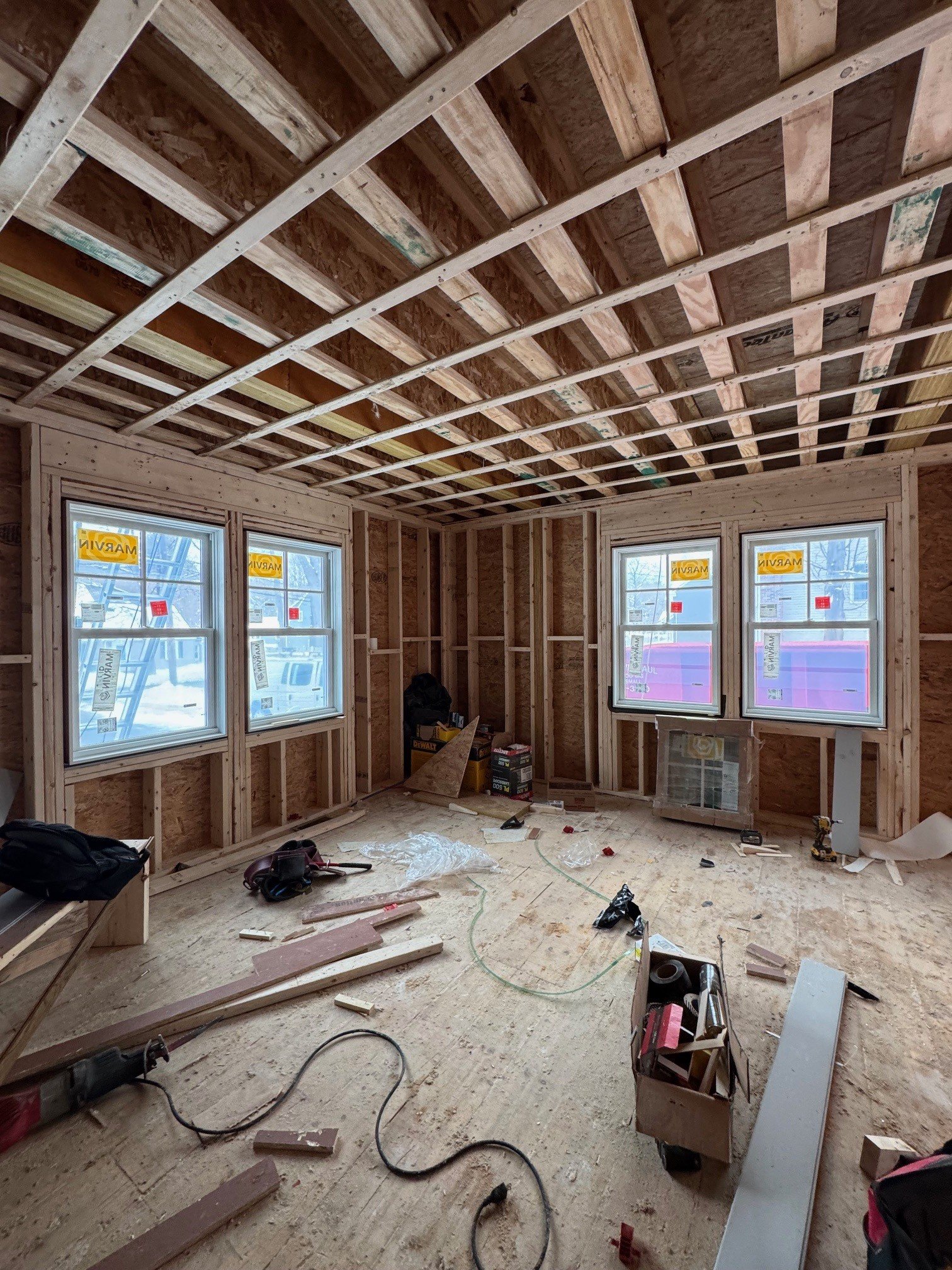
Interior Ground Level Framing
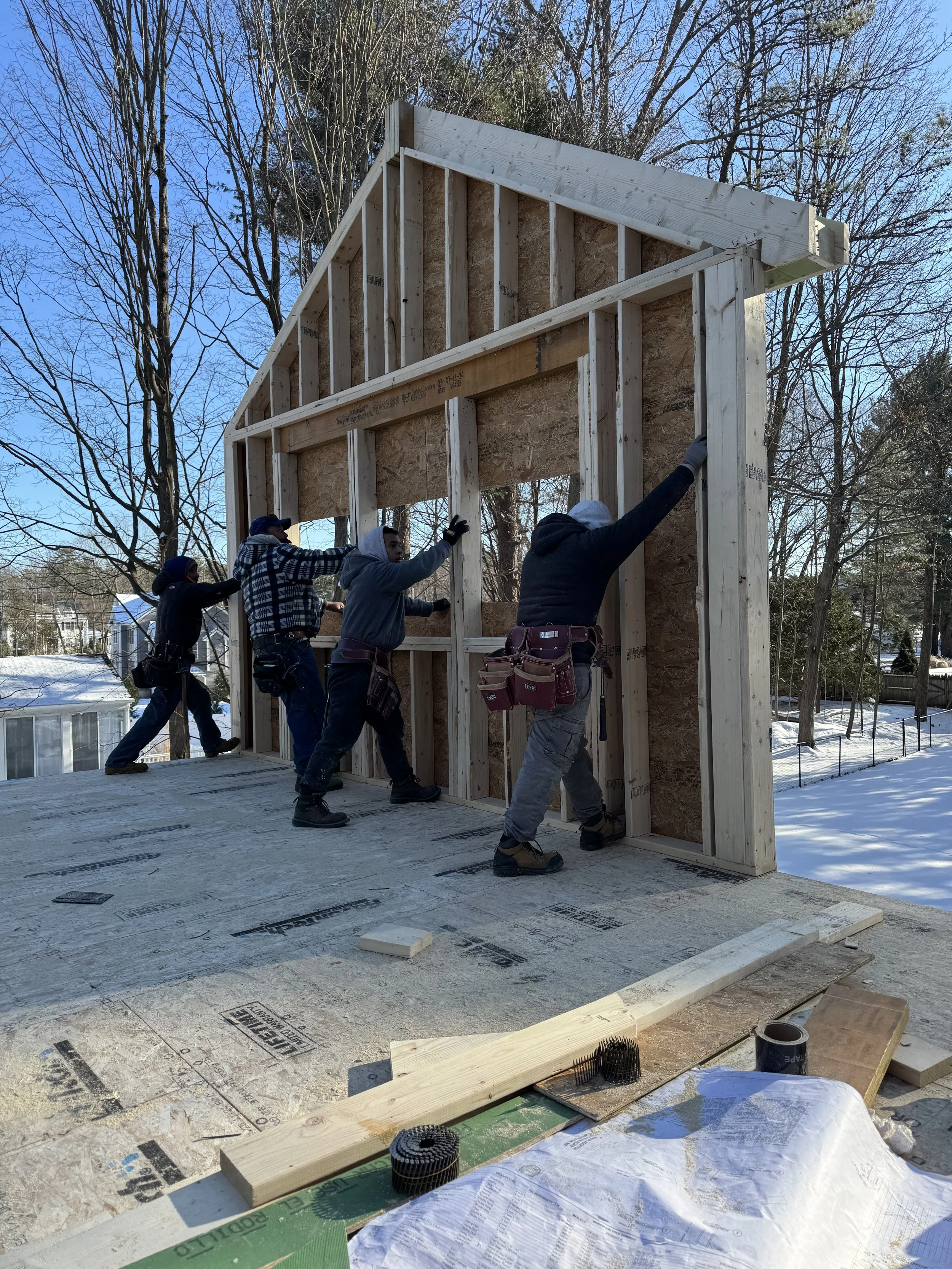
Second Level Framing
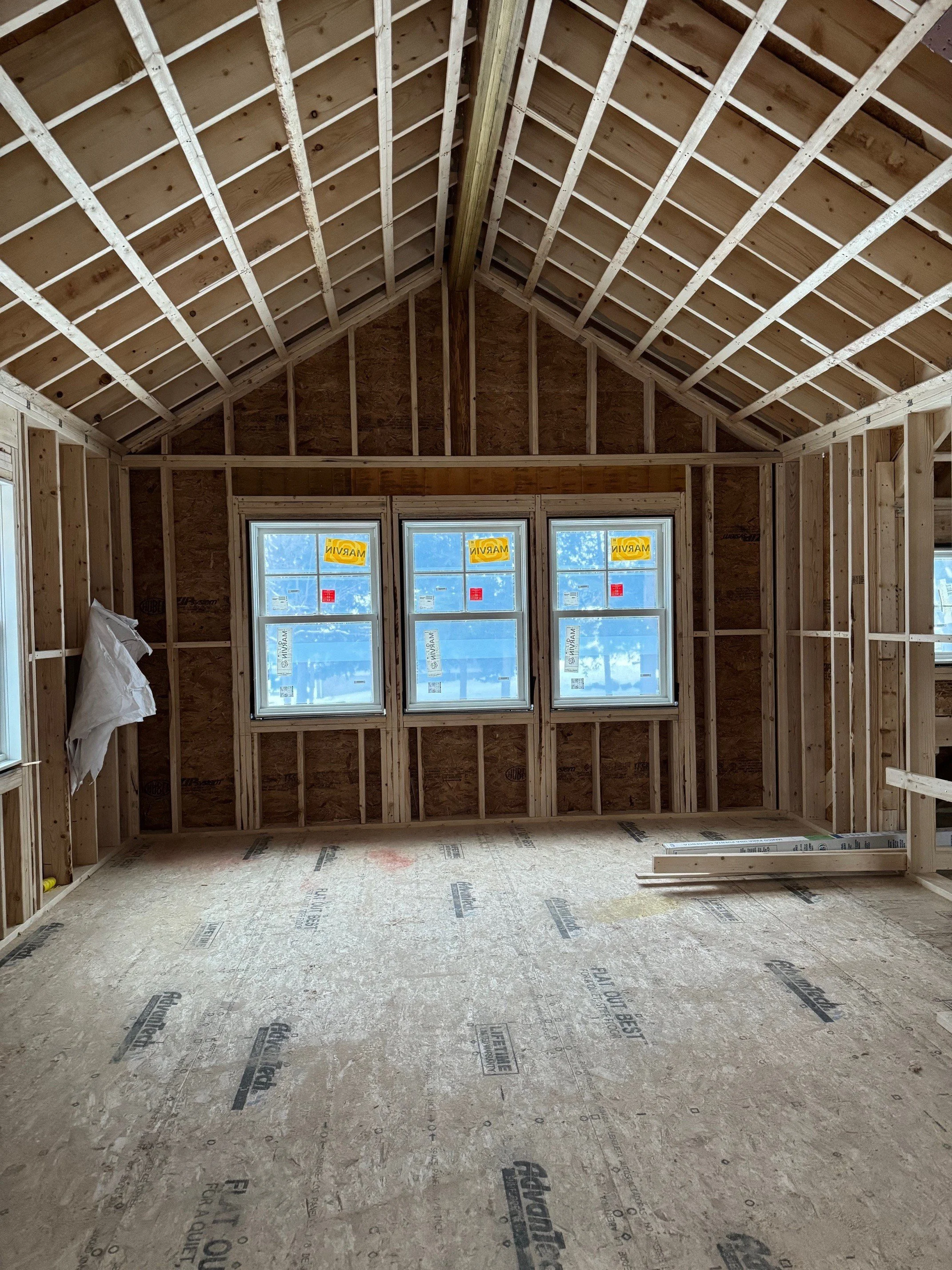
interior Second Level Framing
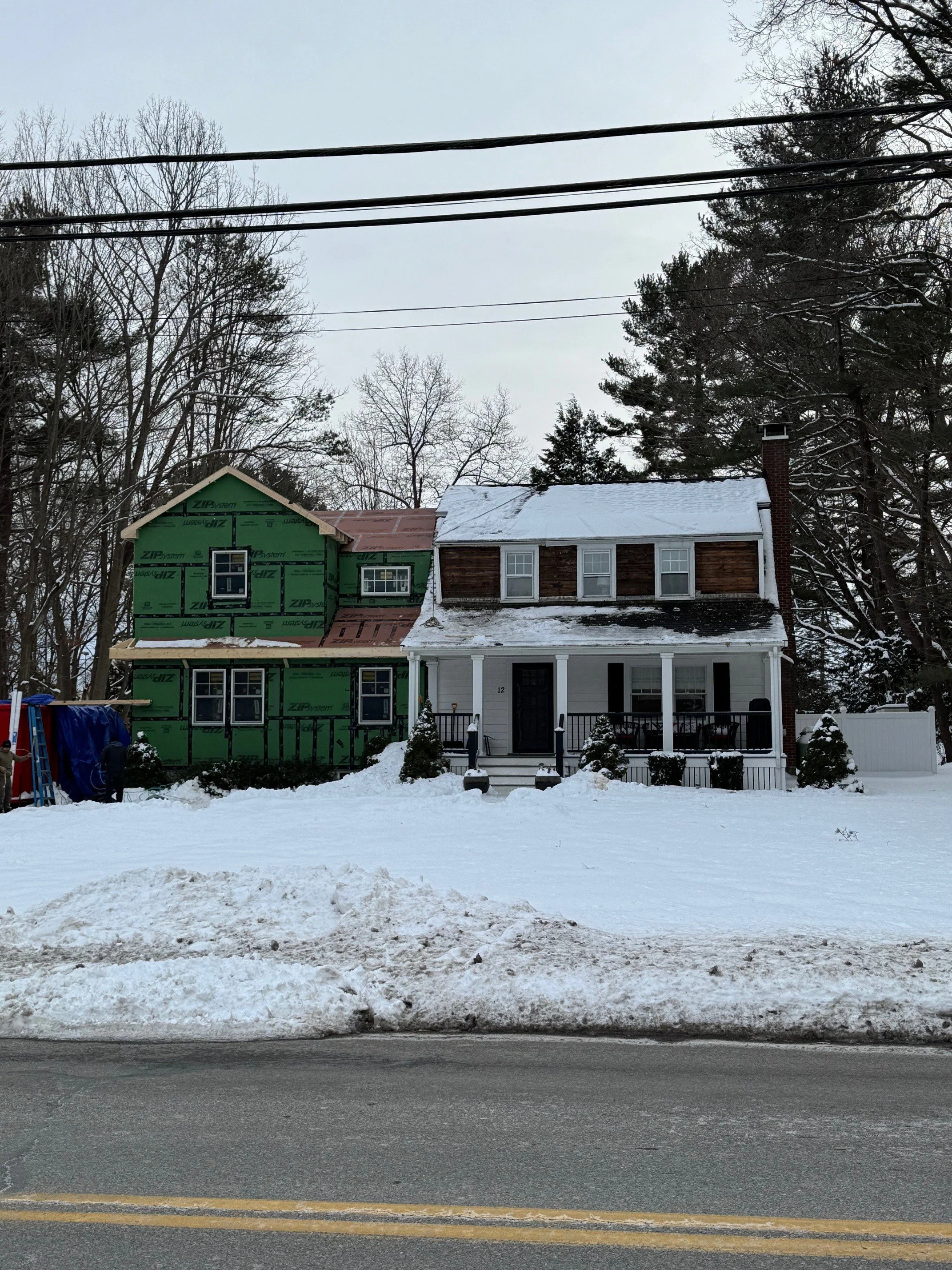
Exterior Enclosure
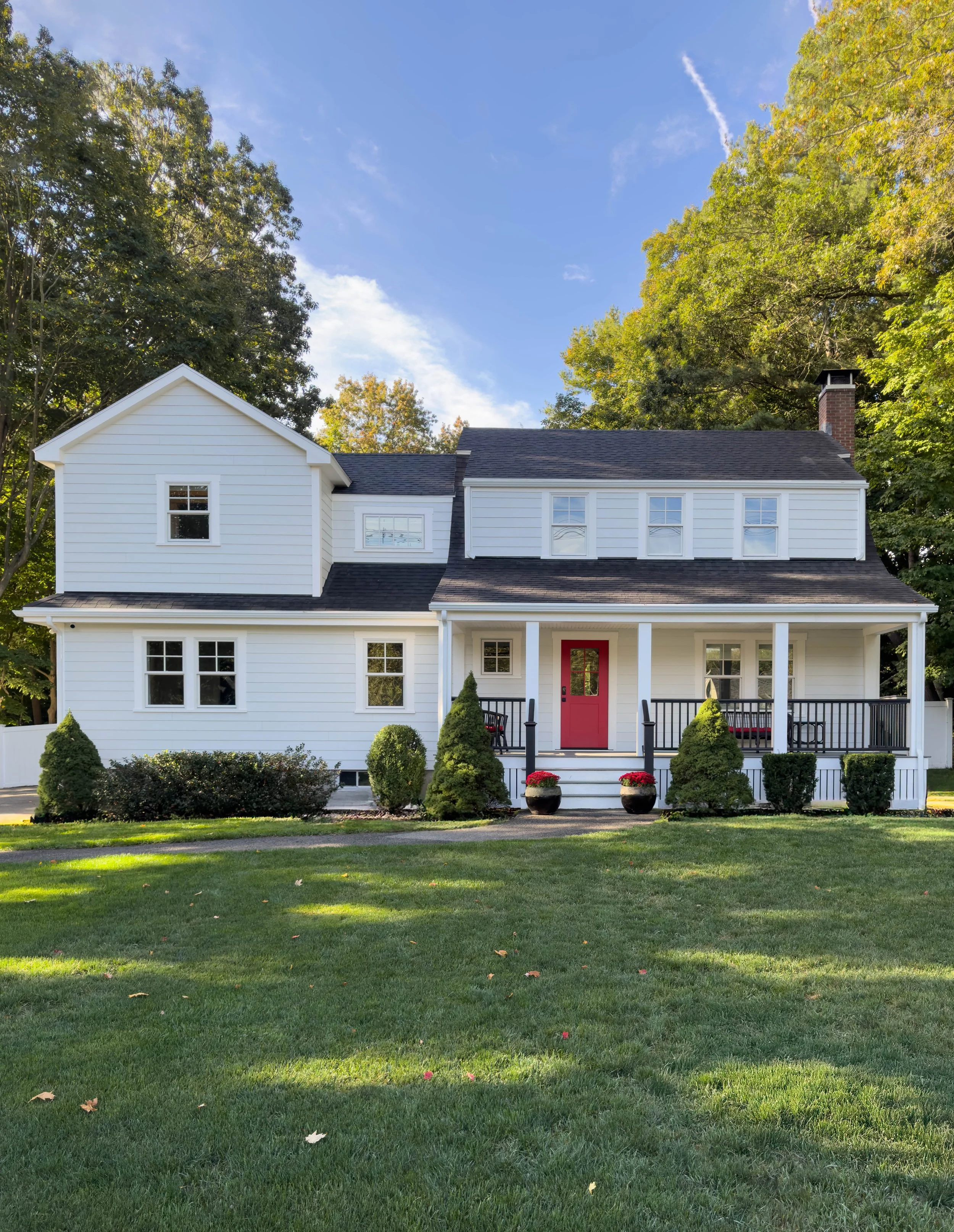
Final Product